Rare Cultivars希少茶
Exclusive cultivars and regional heritage teas希少品種・山茶・地方の伝統茶
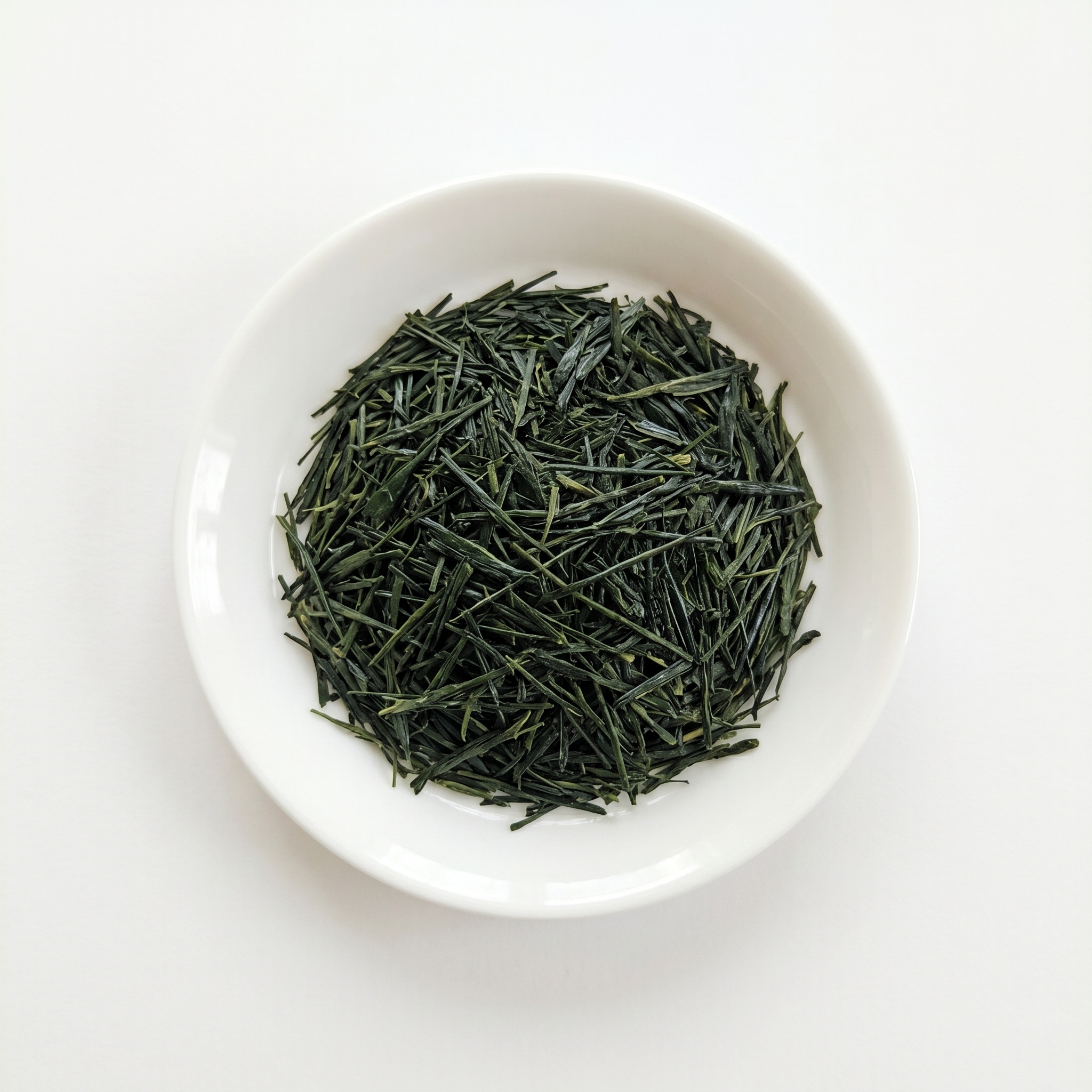
Escaping the Yabukita Monopoly. Today, over 70% of Japan grows a single, highly efficient tea cultivar. This collection represents the unique 30%—a wild spectrum of strange, exotic genetics meticulously preserved by avant-garde farmers.画一化された世界から、個性あふれる世界へ。現在、日本で栽培されるお茶の70%以上は、生産効率を重視した単一の品種が主流となっています。本コレクションは、そんな標準化されたお茶とは一線を画す「残り30%」の希少な世界。情熱ある生産者たちが丹念に守り継いできた、個性的でエキゾチックな品種の多様性を存分に味わっていただけます。
From intoxicating floral aromatics resembling cherry blossom and orchid, to intensely thick oceanic umami, exploring Rare Cultivars (Kishoshu) is the ultimate journey for the true tea connoisseur. We source micro-lots that challenge the very definition of what Japanese green tea is supposed to taste like.桜や蘭を思わせる魅惑的な花の香りから、濃厚で深みのある海の旨味まで、希少茶を探求することは、真の茶通にとって究極の旅です。私たちは、日本茶の味の概念そのものに挑戦するような、極小ロットの茶葉を厳選しています。
The Cultivar Crisis & The Revival多様性を守り抜く情熱
To understand rare cultivars, one must first understand the "Yabukita Monopoly."希少茶の価値をご理解いただくためには、まず「やぶきた」という品種が主流となった歴史的背景を知っていただく必要があります。
The Rise of Yabukita「やぶきた」の普及
Following WWII, the Japanese tea industry required standardization and high yields. The 'Yabukita' cultivar proved to be a miracle plant: it survived frost, produced massive harvests, and delivered a consistently pleasing, balanced green flavor. By the 1990s, it came to represent 75% of all tea grown in Japan, standardizing the global perception of "Japanese Green Tea."戦後の日本の茶産業では、標準化と高い収穫量が求められました。「やぶきた」は寒さに強く、多収穫でありながら、常に心地よくバランスの取れた味わいをもたらす素晴らしい品種でした。1990年代までには日本で栽培されるお茶の約75%を占めるようになり、「日本茶」のイメージを世界的に定着させました。
The Loss of Biodiversity失われゆく多様性
This extreme focus on efficiency had a devastating cost. Thousands of native, indigenous tea bushes (Zairai) and unique selective breeds were ripped out of the ground. The dazzling diversity of localized tea genetics—those with eccentric flavors, floral perfumes, and weird shapes—was nearly eradicated in the pursuit of agricultural consistency.しかし、この効率化の追求は、ある代償を伴いました。日本各地に自生していた在来種や、独自の個性を持つ品種の多くが姿を消していったのです。華やかな花の香りや独特の風味など、地域に根ざした多様で魅力的なお茶の遺伝子が、均一化の波の中で失われつつありました。
The Artisan Movement新たな世代の挑戦
"We do not blend to erase a tea's flaws. We serve it single-origin so you can taste its soul."「お茶の個性を隠すためにブレンドするのではなく、その茶葉本来の魂を味わっていただくためにシングルオリジンでお届けします。」
A new generation of avant-garde boutique farmers is working to restore this lost diversity. They are cultivating difficult, low-yield, highly temperamental "diva" plants that produce extraordinary, polarizing flavor profiles.現在、情熱あふれる新たな世代の生産者たちが、失われつつある多様性を取り戻そうと尽力しています。彼らは、収穫量が少なく栽培が難しいものの、驚くほど豊かで個性的な風味を生み出す希少な品種を大切に育てています。
Purchasing rare cultivars directly funds these agricultural artists, ensuring that Japan's botanical heritage survives for future generations.希少茶をお楽しみいただくことは、こうした作り手たちへの直接的な応援となり、日本のお茶が持つ貴重な多様性を未来へ残すことに繋がります。
The Rare Genetic Library希少茶ライブラリー
Each cultivar possesses a radically different genetic makeup, expressing flavors entirely alien to standard green tea.それぞれの品種は全く異なる遺伝子構造を持ち、一般的な緑茶の概念を覆すような特異な風味を表現します。
Koshun香駿
The Floral Orchid花の蘭
A game-changer in the tea world. Koshun contains enormous amounts of linalool, casting an intoxicating, sweet floral aroma that identical mimics blooming orchids and lily of the valley. It is wildly elegant and breaks every preconception of green tea being merely "grassy."お茶の世界に革命をもたらす存在。香駿はリナロールを豊富に含み、蘭やスズランが咲き誇るような、うっとりするような甘く華やかな香りを放ちます。その優雅さは、緑茶は単に「草っぽい」という固定観念を覆します。
Sofu蒼風
The Exotic Crossbreedエキゾチックな交配種
A highly eccentric and controversial triumph of botanical engineering. Sofu is a cross between standard Japanese Yabukita and an Indian Assamica strain. It yields a bewildering jasmine-like exotic perfume paired with a sharp, vibrant green astringency.植物工学がもたらした、非常に個性的で傑作とも言える品種。蒼風は、日本の標準的な「やぶきた」とインドのアッサム種を交配したものです。ジャスミンのようなエキゾチックな香りと、鮮やかで鋭い緑茶の渋みが驚くほど見事に調和しています。
Asatsuyuあさつゆ
The Natural Gyokuro天然玉露
Crowned the "Natural Gyokuro." Unlike other teas that require intense artificial shading to produce umami, Asatsuyu generates catastrophic amounts of sweet amino acids even in direct sunlight. It brews a thick, neon-green broth. It is notoriously weak against pests and heartbreakingly difficult to grow.「天然玉露」の異名を持つ品種。うま味を引き出すために強い人工遮光を必要とする他の茶とは異なり、あさつゆは直射日光の下でも驚くほど多くの甘味アミノ酸を生成します。濃いネオングリーンの美しい水色が特徴ですが、害虫に非常に弱く、栽培も極めて困難であることで知られています。
Samidoriさみどり
The Shadow King日陰の王
Born in the ancient terroir of Uji, Kyoto. While useless as an unshaded Sencha, when plunged into deep darkness (shaded for 30+ days), Samidori activates a genetic switch, transforming into the ultimate ceremonial Matcha and Gyokuro base, radiating electric jade color and dense, creamy sweetness.京都・宇治の古いテロワールで生まれた品種。日光を浴びる煎茶としては力を発揮しませんが、30日以上の深い暗闇(遮光)に置かれることで遺伝子のスイッチが入り、究極の抹茶や玉露のベースへと変貌を遂げます。鮮やかな翡翠色と、濃厚でクリーミーな甘さが特徴です。
Saemidori, Okumidori, Yutakamidori & Tsuyuhikariさえみどり・おくみどり・ゆたかみどり・つゆひかり
The Modern Cultivar Quartet彩りと旨みの名品種カルテット
Saemidori (Yabukita × Asatsuyu) boasts luminous jade liquor and refined sweetness; Okumidori offers calm, rounded umami ideal for Uji matcha and gyokuro; Yutakamidori brings rich southern body from Kagoshima's volcanic soils; and Tsuyuhikari (Asatsuyu × Shizu-7132) combines cherry-leaf fragrance with vibrant emerald color.あさつゆの血統を受け継ぎ冴えわたる緑色と上品な甘みを誇るさえみどり、穏やかで丸みのある旨みを持つおくみどり、鹿児島の太陽と火山灰土壌で力強いコクを育むゆたかみどり、そして静7132との交配により桜葉のような香気と鮮やかな水色を兼ね備えたつゆひかり。単一品種で飲み比べることで鮮烈な個性が際立ちます。
Zairai (Seed-Grown Native Tea) & Riguri Yamacha在来種(実生)茶・りぐり山茶
Untamed Mountain Genetics実生の多様性と高知の伝統山茶
Zairai tea gardens grow from seeds rather than clonal cuttings, meaning every bush carries unique DNA and deep taproots that draw complex minerals from mountain bedrock. Riguri Yamacha ("Riguri" means "meticulously crafted" in Kochi's Tosa dialect) harvests wild mountain tea along the crystal-clear Niyodo River basin, preserving an ancient, invigorating mountain fragrance.挿し木ではなく種から育った在来種(実生)は、株ごとに異なる遺伝子と地中深く伸びる直根を持ち、岩盤のミネラルを吸い上げた複雑な味わいを見せます。また高知県・仁淀川流域などの山間部に自生する山茶を土佐弁で「念入りに・こだわる(りぐる)」の精神で仕上げた「りぐり山茶」は、清流と山の霊気を宿す希少な銘茶です。
Cha-no-Hana-cha (Tea Blossom Tea / 茶の花茶)茶の花茶(ちゃのはなちゃ)
While herbal teas come from non-tea plants, Cha-no-Hana-cha is harvested directly from the white autumn blossoms of the true tea plant (Camellia sinensis). Hand-picking the flowers requires sacrificing next spring's leaf energy, making pure tea-blossom infusions exceedingly rare. Rich in floral saponins and virtually caffeine-free, it brews a golden nectar with wild honey and camellia notes.茶外茶ではなく、本物の茶樹(チャノキ)が秋に咲かせる白い花を一輪ずつ手摘みして乾燥させた大変希少なお茶です。花びらと雄しべに含まれるサポニンと、野花の蜜のような優しい香り・ほぼノンカフェインの澄んだ甘みが特徴です。
Autumn Harvest Only晩秋の手摘み限定ロット
100% Camellia sinensis blossoms (or blended with mountain bancha)茶樹の白い花100%(または番茶との合組)
The High-Stakes Agriculture情熱を要する希少茶栽培
Cultivating rare genetics requires exceptional dedication. These plants are exceptionally delicate and demanding.希少な品種の栽培には、並々ならぬ情熱と献身が必要です。これらの茶樹は非常に繊細で、細やかなケアを要求します。
Pest Vulnerability害虫に対するデリケートさ
Unique aromatics like Koshun attract entirely different insects. Pests find these cultivars delicious, meaning organic farming requires 3x the manual labor to protect the crop without chemicals.香駿のような独特の香りを持つ品種は、通常とは異なる虫を引き寄せます。化学肥料や農薬に頼らない栽培では、茶葉を守るために通常の何倍もの手間と労力が必要となります。
Frost Vulnerability霜に対する脆弱性
Unlike armored Yabukita, varietals like Asatsuyu bud early in the spring. A single late frost in April can entirely destroy the year's entire harvest in one night.寒さに強い「やぶきた」とは異なり、「あさつゆ」などの品種は春先に早く芽吹きます。そのため、4月に遅霜が一度でも降りると、その年の収穫がすべて失われてしまうリスクを常に抱えています。
The Razor Harvest Window極めて短い収穫のタイミング
The delicate terpene profile of floral cultivars peaks and evaporates within a 48-hour window. Harvest a day late, and the magic is gone forever.華やかな香りを持つ品種の繊細な成分は、ピークを迎えてからわずか48時間ほどで失われてしまいます。収穫が1日遅れるだけで、その品種本来の魅力は永遠に失われてしまうのです。
Tasting High-Definition解像度の高い味覚体験
Approaching an unblended, single-cultivar micro-lot.ブレンドされていない、単一品種のマイクロロットの楽しみ方。
Unlike blends which smell generic, place the warm dry leaves in a pre-heated teapot and inhale. The specific genetic signature (floral, marine, roasted) will hit immediately.ブレンド茶とは異なり、温めた急須に乾燥した茶葉を入れるだけで、その品種ならではの明確な個性(フローラル、マリン、ローストなど)が立ち上ります。まずはお湯を注ぐ前に、その香りをご堪能ください。
Brew at exactly 70°C. Hotter water will extract the base tannins and mask the delicate, volatile top-notes that make the cultivar special.70℃の低温でじっくりと抽出してください。お湯の温度が高すぎると渋みが強く出てしまい、品種特有の繊細で揮発性の高い香りが覆い隠されてしまいます。
Blends are engineered for balance. Single cultivars have distinct quirks—a sudden sharpness, a lingering astringency. Accept these as the plant's authentic fingerprint.ブレンド茶は全体のバランスを整えるために作られますが、単一品種のお茶には、際立った渋みや鋭い風味といった「個性」がそのまま残っています。それは欠点ではなく、その植物が持つありのままの証としてお楽しみください。
Regional Heritage & Wild Teas地方の伝統茶・山茶
Exclusive cultivars and regional heritage teas
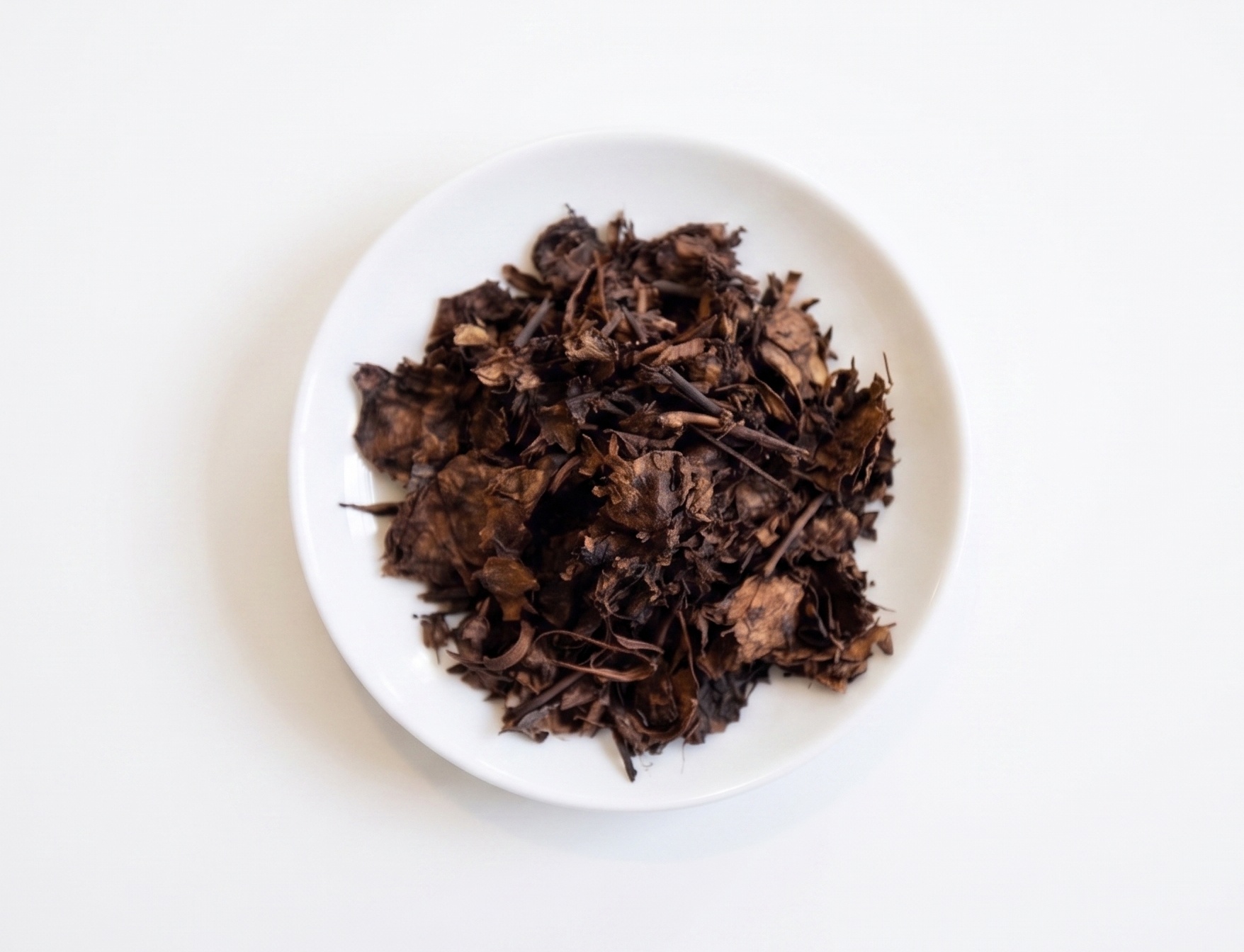
Japan\'s heritage teas represent centuries-old traditions preserved across the nation—from ancient fermented teas to whipped foam traditions, smoky roasted varieties, and rare indigenous wild teas. These nine unique expressions offer flavors and production methods found nowhere else in the world, each tied to specific regions and cultural practices.日本の伝統茶は、全国各地で何世紀にもわたって受け継がれてきた伝統の証です。古代の製法である発酵茶から、泡立てて飲むお茶、スモーキーな焙煎茶、希少な自生茶まで、これら9種の希少なお茶は、他のどこにもない独自の製法と風味を持ち、それぞれの地域の文化と深く結びついています。
Living Tea History
Heritage teas preserve ancient production methods that predate modern Japanese tea processing. Many face extinction, maintained only by dedicated artisans in specific regions.
Ancient Methods
Production techniques passed down through generations, some dating back over 400 years. These methods often involve natural fermentation, sun-drying, or unique processing unknown in modern tea production.
Regional Treasures
Each heritage tea is tied to a specific village or region, reflecting local climate, water, and cultural traditions. These teas cannot be replicated elsewhere—they are true expressions of terroir and cultural heritage.
Unique Flavors
From deeply fermented, complex umami to bright, citrusy refreshment—heritage teas offer flavor profiles completely different from standard Japanese teas, challenging and expanding tea expectations.
Regional Tea Rituals & Wild Mountain Tea地方の伝統茶(振り茶文化)と山茶
Preserved in Okinawa, the San'in coast (Shimane), and deep mountain ranges—these rare regional teas represent centuries-old communal whisking rituals and wild uncultivated tea lineages.沖縄の宮廷文化や山陰(出雲・隠岐)の振り茶文化、そして九州・四国の深山に自生する山茶。地域ごとに独自の進化を遂げた日本の希少な喫茶文化をご紹介します。
Bukubuku-chaブクブク茶
Okinawan Frothy Tea
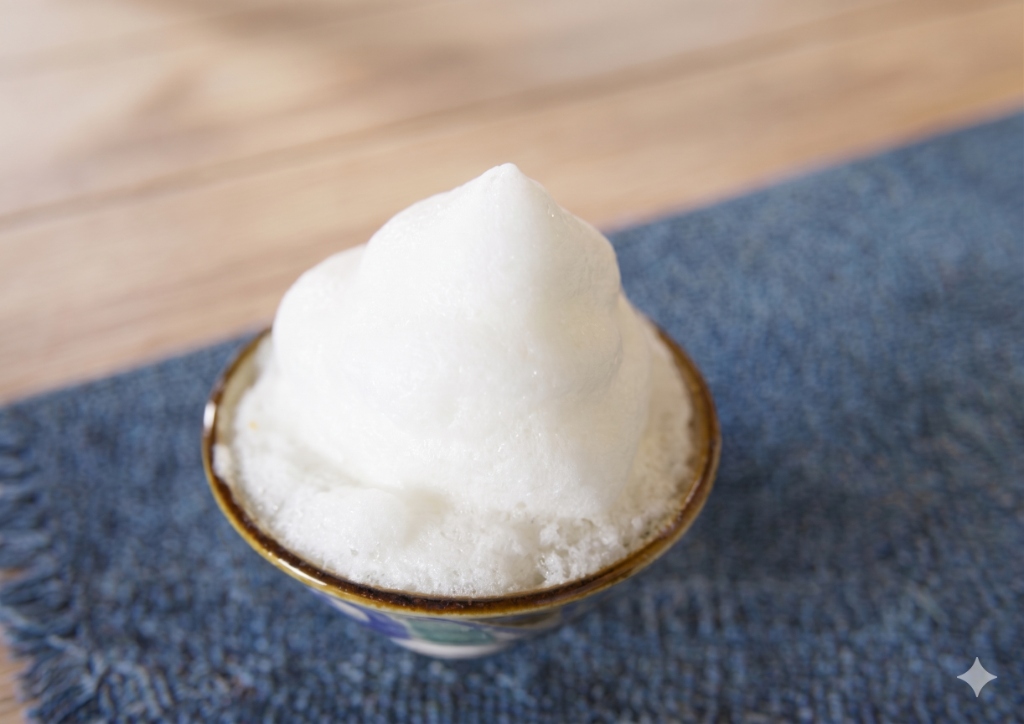
A unique Okinawan tea tradition where roasted rice tea and jasmine tea are whipped with peanuts into an elaborate cloud-like foam. The luxurious, stable foam can reach 5-8cm tall and is served in small bowls. Once reserved for Ryukyu royalty, Bukubuku-cha is now experiencing revival as an intangible cultural asset.
Jasmine tea + roasted rice water + roasted peanuts → vigorous whisking creates stable foam
Light jasmine aroma, subtle nutty sweetness, airy texture from foam
Historically served to Ryukyu Kingdom royalty; requires specialized wooden whisk (chasen) and skill
Preparing Bukubuku-cha
Traditional: Requires special equipment and technique; foam must be stable and voluminous
Base: Jasmine tea + roasted rice water (or sanpin-cha)
Secret: Roasted peanuts or saponin-rich ingredients create stable foam
Botebote-chaボテボテ茶
Shimane's Whipped Tea with Offerings
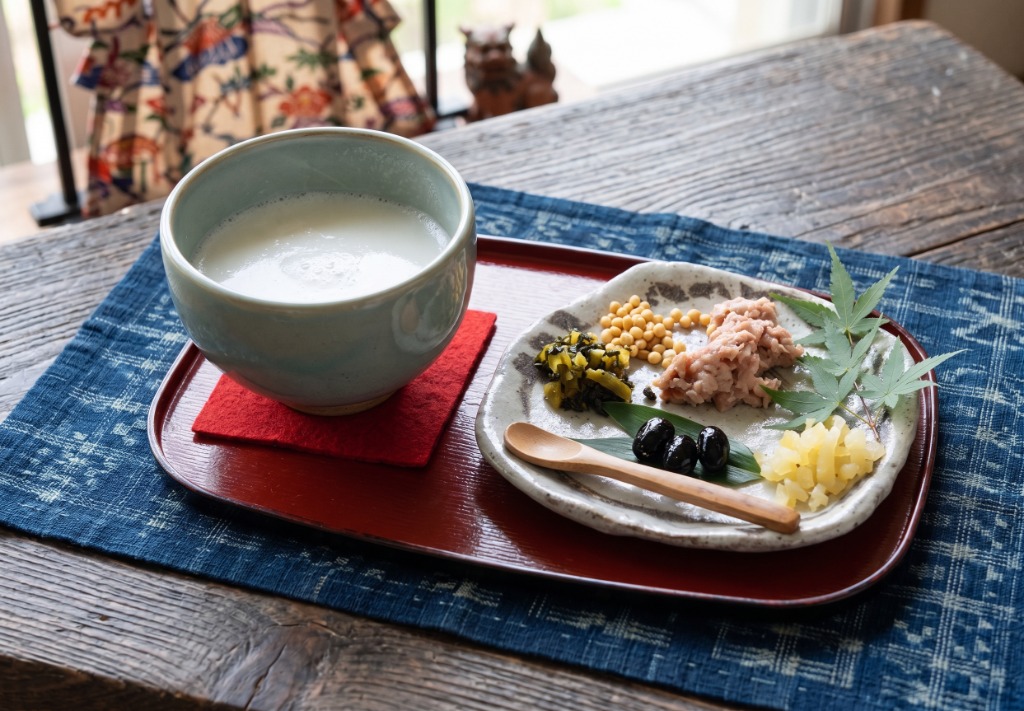
From Matsue City in Shimane Prefecture, Botebote-cha is a unique whipped tea served in large lacquered bowls topped with colorful seasonal offerings (boiled beans, pickles, rice cakes, flowers). The name comes from the "botebote" sound made while whisking. This tea was traditionally enjoyed during festivals and gatherings.
Bancha tea + hot water → whisked with bamboo whisk until foamy → topped with seasonal offerings
Mild bancha base, enhanced by savory and sweet toppings creating complex flavor layers
Boiled beans, pickled vegetables, rice cakes, dried fish, edible flowers (varies by season)
Serving Botebote-cha
Bowl: Traditionally served in large lacquered bowls called "tenmoku-wan"
Whisking: Use special bamboo whisk (chasen) to create light foam
Offerings: Colorful toppings arranged artfully on foam surface
More than tea—it's an edible work of art and complete light meal
Bote-chaボテ茶
Simplified Shimane Tea Service
A variation and simplified form of Botebote-cha from the same Shimane region. Bote-cha maintains the whisking tradition but with fewer elaborate toppings, making it more accessible for daily enjoyment. The tea still celebrates the communal gathering spirit while being less ceremonial than Botebote-cha.
Bancha tea whisked to create foam, served with simple toppings or plain
Clean bancha flavor, light and refreshing, with optional simple garnishes
Less elaborate presentation, fewer toppings, more casual daily drinking variant
Enjoying Bote-cha
Preparation: Simple bancha whisked until lightly foamy
Serving: Can use regular tea bowls, less formal than Botebote-cha
Occasion: Everyday drinking, casual gatherings, less ceremonial
An approachable way to experience Shimane's whisking tea culture
Yama-cha山茶
Wild Indigenous Tea Varieties
Yama-cha refers to wild or semi-wild indigenous tea varieties that grow naturally in Japan's mountains, predating modern cultivars. These rare, unimproved native tea plants offer complex, unique flavors reflecting centuries of natural adaptation to local environments. Each region's yamacha expresses distinct terroir and genetic diversity being lost to commercial cultivation.
Genetic diversity; complex flavor; natural adaptation; no artificial breeding
Varies by region; often more complex, wilder, earthier than cultivated teas; unique astringency
Important for genetic diversity; threatened by modern agriculture; preservation efforts ongoing
Wild Tea Heritage
Origin: Natural or semi-wild tea plants in mountain regions
Varieties: Each location has unique genetic profiles
Significance: Preserves tea's genetic diversity and evolutionary history
Tasting yamacha is experiencing tea's natural form before human cultivation
Origins Across Japan
Each heritage tea originated and remains tied to specific regions, shaped by local geography, climate, and culture.
Click on the map markers to explore each tea's origin
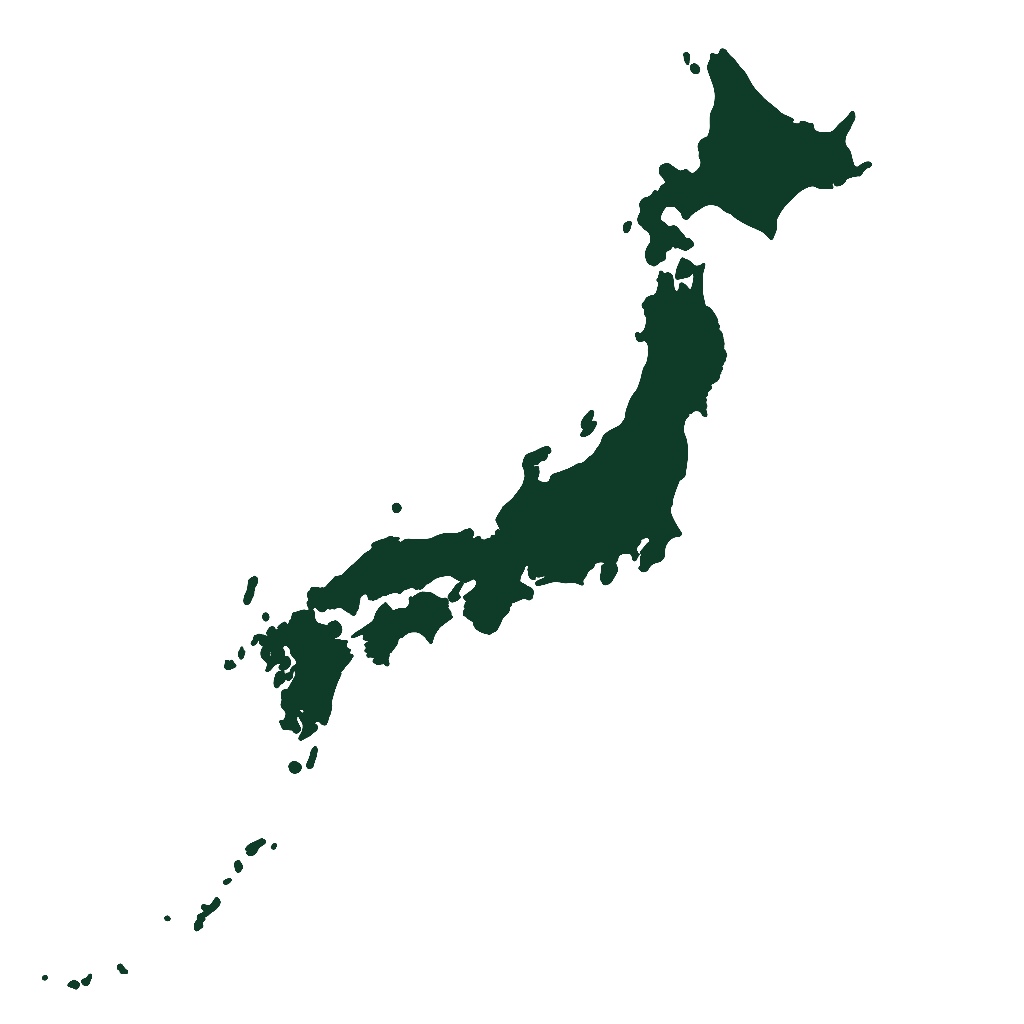
Click any marker to jump to that tea's detailed description
Health Benefits of Heritage Teas伝統茶の健康効果
Fermented heritage teas offer unique health benefits from their production processes, particularly probiotic content and easily digestible compounds.発酵茶などの伝統茶は、その独自の製法により、プロバイオティクスや消化吸収の良い成分をはじめとする特有の健康効果をもたらします。
Probiotic Benefitsプロバイオティクス効果
FERMENTED TEAS発酵茶
Naturally fermented heritage teas (Batabata-cha, Awa-bancha, Goishi-cha) contain beneficial bacteria that support gut health, similar to fermented foods like miso and natto.自然発酵させた伝統茶(バタバタ茶、阿波晩茶、碁石茶など)には、味噌や納豆などの発酵食品と同様に腸内環境を整える善玉菌が含まれています。
- • Supports digestive health• 消化器系の健康をサポート
- • Promotes gut microbiome• 腸内フローラを整える
- • Aids nutrient absorption• 栄養素の吸収を助ける
Gentle on Stomach胃腸に優しい
LOW CAFFEINE & TANNINS低カフェイン・低タンニン
Fermentation reduces caffeine and harsh tannins, making heritage teas exceptionally gentle and suitable for those with sensitive stomachs or seeking evening beverages.発酵によってカフェインや渋み成分であるタンニンが減少するため、非常に胃腸に優しく、就寝前の一杯や胃が敏感な方にも最適です。
- • Low caffeine content• 低カフェイン
- • Easy on digestion• 消化に良い
- • Suitable for all ages• すべての年代の方におすすめ
Rich in Polyphenols豊富なポリフェノール
ANTIOXIDANT COMPOUNDS抗酸化成分
Despite processing, heritage teas retain valuable polyphenols and develop unique compounds through fermentation that support overall health and wellness.加工工程を経ても、貴重なポリフェノールが保持され、発酵によって生み出される独自の成分が日々の健康維持をサポートします。
- • Antioxidant properties• 抗酸化作用
- • Anti-inflammatory effects
- • Supports immune function• 免疫力の維持
Relaxationリラックス効果
CALMING EFFECTS安らぎをもたらす成分
The gentle, mellow nature of heritage teas promotes relaxation and mindfulness. Traditional preparation rituals enhance the meditative tea experience.伝統茶の優しくまろやかな味わいは、心身のリラックスとマインドフルネスを促します。古くから伝わる茶を淹れる作法は、瞑想的なお茶の時間をさらに深めます。
- • Promotes calm• 心の平穏を促す
- • Reduces stress
- • Supports mindfulness• マインドフルネスのサポート
Alkalizing Propertiesアルカリ性
PH BALANCEpHバランス
Fermented teas tend to be more alkaline than standard teas, which may help balance body pH and support overall metabolic health.発酵茶は一般的なお茶に比べてアルカリ性に傾きやすく、体内のpHバランスを整え、基礎代謝の健康をサポートする可能性があります。
- • Helps balance pH• pHバランスを整える
- • Supports metabolism• 代謝のサポート
- • Gentle detoxification• 穏やかなデトックス
Hydration水分補給
DAILY BEVERAGE毎日の飲み物として
With minimal caffeine and smooth flavor, heritage teas are excellent for all-day hydration and can be enjoyed hot or cold throughout the seasons.カフェインが少なく、まろやかな味わいの伝統茶は、一日を通した水分補給に最適で、季節を問わずホットでもアイスでもお楽しみいただけます。
- • All-day drinking• 一日中いつでも飲める
- • Hot or iced• ホットでもアイスでも
- • Family-friendly• 家族全員で楽しめる
Cultural & Historical Significance
Heritage teas represent more than beverages—they are living links to Japan's agricultural past, community traditions, and regional identity. Many are designated as Important Cultural Properties or candidates for UNESCO Intangible Cultural Heritage status.
Preservation Challenges
- • Aging Producers: Many heritage tea makers are elderly with few successors
- • Labor Intensive: Hand-processing requires significant time and skill
- • Small Scale: Production volumes are tiny compared to commercial teas
- • Market Awareness: Limited recognition even within Japan
Revitalization Efforts
- • Artisan Training: Programs to pass knowledge to younger generations
- • Tourism Integration: Tea village experiences and cultural tours
- • Academic Research: Documenting production methods and health benefits
- • Global Interest: International appreciation raising awareness and demand
Cultural Note: When you enjoy heritage tea, you're not just drinking—you're participating in the preservation of centuries-old traditions. Your support helps these rare teas survive for future generations.
Experience Japan's Rarest Teas希少な伝統茶の世界へ
Experience rare heritage teas rooted in centuries of regional Japanese culture.日本の伝統と地域文化が息づく、希少な伝統茶をご堪能ください。
Inquireお問い合わせB2B & Customization
Tailored for Professionalsプロフェッショナルのための用途別カスタマイズ
We offer specialized grades and bespoke consultation for luxury hospitality, high-end retail, and elite wellness integration.用途やコンセプトに合わせて最適なグレードをご提案。五つ星ホテルや高級レストラン向けに、特別な体験を設計します。
Available Grades用途別グレードのご用意
Micro-Lot Single Origin単一品種・マイクロロット
100% pure rare cultivar from a single estate. Unblended, raw expression of terroir.他の品種を一切ブレンドしない、その土地・その年の個性が100%ダイレクトに伝わる純粋な芸術作品。
Luxury Occasions導入・提供シーンのイメージ
Omakase Tea Pairingsおまかせティーペアリング
Allows sommeliers to match the hyper-specific flavor notes to exact dishes.ソムリエが、極めて特殊な風味ノートを正確な料理に合わせることを可能にする。
Limited Edition Events季節限定イベント
Create urgency and exclusivity with teas that yield only a few kilograms per year.世界で年間数キロしか生産されないお茶で、緊急性と排他性を生み出す。
Connoisseur Tasting愛好家向けテイスティング
Satisfy the most demanding international tea experts with cultivars they have never experienced.経験したことのない品種で、最も要求の厳しい国際的なお茶の専門家を満足させる。