Beyond the Bowl: What the Tea Ceremony Actually Teaches Us About Selling Tea器を超えて:茶道がお茶の販売について本当に教えてくれること
2026.06.18
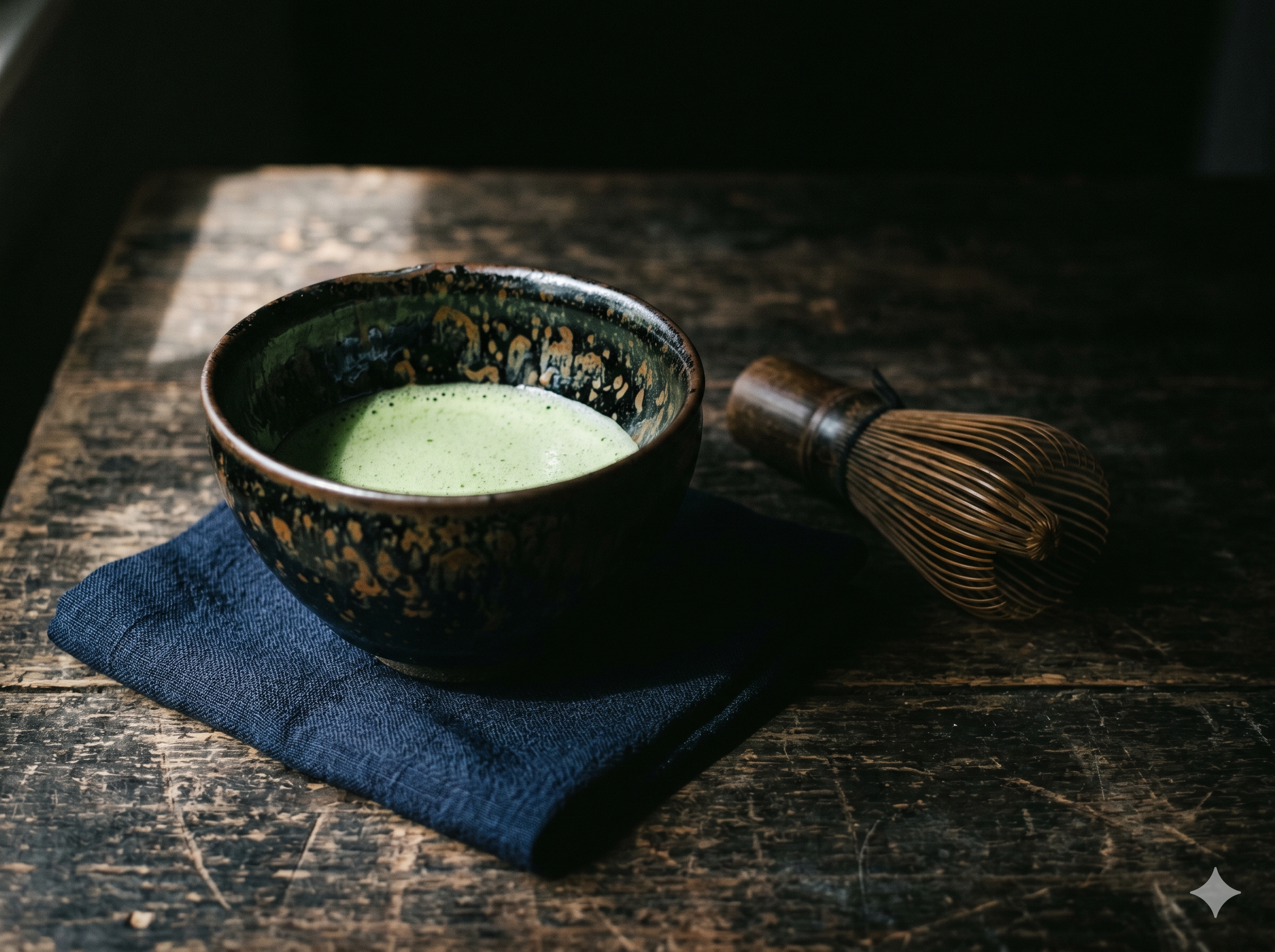
The Japanese tea ceremony — chanoyu — is frequently invoked in the marketing of Japanese tea, and almost as frequently misunderstood. It appears in brand copy as a synonym for tradition, for authenticity, for the vague notion of Japanese-ness that premium tea brands wish to associate themselves with. What is rarely discussed is what chanoyu actually is as a system of thought, and what its core principles reveal — when examined honestly, without reverence for its cultural packaging — about what premium products are, what customers actually seek when they choose them, and what the act of selling something genuinely valuable requires of the seller.
The founding philosophy of chanoyu, as systematised by the tea master Sen no Rikyu in the sixteenth century, rests on four principles: wa, kei, sei, jaku — harmony, respect, purity, and tranquility. These are typically presented as spiritual or aesthetic values, which they are. But they are also, with remarkable precision, a description of what the most successful premium product relationships look like when they function at their best. Harmony between the product and its context — the tea that is right for this customer, this occasion, this moment. Respect between seller and buyer — not the performed respect of a transaction, but the genuine attention to what the other person actually needs. Purity in the product itself — no adulteration, no compromise, no substitution of appearance for substance. Tranquility in the experience — the quality that allows the customer to be fully present with the thing they have chosen, without anxiety or distraction.
Rikyu also understood something about scarcity and attention that the modern luxury market has rediscovered at enormous expense: that constraint creates value. The tea ceremony's insistence on a single bowl, a single room, a single hour, a single seasonal scroll — these are not poverty but intention. They are a refusal to dilute the experience by multiplying it. The principle of ichi-go ichi-e — one time, one meeting — is not a philosophical platitude but a commercial truth: the thing that cannot be repeated cannot be commoditised. A harvest date, a specific garden, a cultivar that exists nowhere else, a producer who makes fewer than one hundred kilograms per year — these constraints, communicated honestly, are precisely what justify the price premium that specialty tea commands over commodity tea.
The most useful thing the tea ceremony offers the contemporary specialty tea importer is not its aesthetics but its epistemology: the insistence that genuine knowledge of tea — its origins, its chemistry, its preparation, its seasonal context — is not optional background information but the foundation of the entire transaction. Rikyu's students were expected to be able to discuss the provenance of every utensil in the tea room, the source of the water, the origin of the charcoal. The contemporary equivalent — the ability to speak with precision and confidence about harvest dates, cultivar genetics, processing methods, and water chemistry — is what separates the specialist from the re-seller, and what commands the price and loyalty that make a tea business worth building.
茶道は日本茶のマーケティングで頻繁に引用され、そしてほぼ同じ頻度で誤解されます。プレミアム茶ブランドが結び付けたい伝統・本物らしさ・漠然とした「日本らしさ」の同義語としてブランドコピーに登場します。めったに議論されないのは、茶道が実際に思想システムとして何であるか、そしてそのコアな原則が――その文化的パッケージへの畏敬なしに正直に検討されたとき――プレミアム製品とは何か、顧客がそれを選ぶときに実際に何を求めているか、そして真に価値あるものを売るという行為が売り手に何を要求するかについて何を明らかにするかです。
16世紀に茶人千利休が体系化した茶道の基本哲学は4つの原則に基づいています。和・敬・清・寂。これらは通常、精神的または美的価値として提示されます。実際そうです。しかしそれらはまた、最も成功したプレミアム製品の関係が最高に機能するときの様子を、驚くべき精度で描写してもいます。製品とその文脈の間の和――この顧客・この機会・この瞬間に合った茶。売り手と買い手の間の敬――取引の形式的な尊重ではなく、相手が実際に必要としているものへの真の注意。製品そのものの清――混じりけなし、妥協なし、実質に代わる外観の代替なし。体験の寂――不安や気散じなく選んだものと完全に向き合えるようにする品質。
利休はまた、現代の高級品市場が莫大な費用をかけて再発見した希少性と注意力について何かを理解していました。制約が価値を創出するということを。茶道の一碗・一室・一時・一季節の掛け物への固執は、貧困ではなく意図です。それを乗算することで体験を希釈することへの拒否です。一期一会の原則は哲学的な陳腐な表現ではなく商業的真実です。繰り返せないものはコモディティ化できません。収穫日・特定の茶園・他のどこにも存在しない品種・年間100キロ未満しか作らない生産者――これらの制約は、正直に伝えられたとき、スペシャルティ茶がコモディティ茶を上回るプレミアム価格を正当化するまさにそのものです。
茶道が現代のスペシャルティ茶インポーターに提供する最も有用なものは、その美学ではなく認識論です。茶についての真の知識――その起源・化学・準備・季節的文脈――は任意の背景情報ではなく、取引全体の基盤であるという主張。利休の弟子たちは茶室のすべての道具の出所・水の源・炭の産地について議論できることを期待されていました。現代の同等物――収穫日・品種の遺伝学・加工方法・水の化学について精度と自信をもって話す能力――は、スペシャリストを再販業者から区別するもの、そして構築する価値のある茶ビジネスを作る価格とロイヤルティを要求するものです。