Heritage伝統茶
Rare regional teas rooted in ancient traditions
Japan\'s heritage teas represent centuries-old traditions preserved across the nation—from ancient fermented teas to whipped foam traditions, smoky roasted varieties, and rare indigenous wild teas. These nine unique expressions offer flavors and production methods found nowhere else in the world, each tied to specific regions and cultural practices.日本の伝統茶は、全国各地で何世紀にもわたって受け継がれてきた伝統の証です。古代の製法である発酵茶から、泡立てて飲むお茶、スモーキーな焙煎茶、希少な自生茶まで、これら9種の希少なお茶は、他のどこにもない独自の製法と風味を持ち、それぞれの地域の文化と深く結びついています。
Living Tea History
Heritage teas preserve ancient production methods that predate modern Japanese tea processing. Many face extinction, maintained only by dedicated artisans in specific regions.
Ancient Methods
Production techniques passed down through generations, some dating back over 400 years. These methods often involve natural fermentation, sun-drying, or unique processing unknown in modern tea production.
Regional Treasures
Each heritage tea is tied to a specific village or region, reflecting local climate, water, and cultural traditions. These teas cannot be replicated elsewhere—they are true expressions of terroir and cultural heritage.
Unique Flavors
From deeply fermented, complex umami to bright, citrusy refreshment—heritage teas offer flavor profiles completely different from standard Japanese teas, challenging and expanding tea expectations.
Nine Heritage Teas9種の伝統茶
Each represents a unique tradition, production method, and flavor philosophy preserved across Japan— from ancient fermented teas to historic regional treasures and rare indigenous varieties.
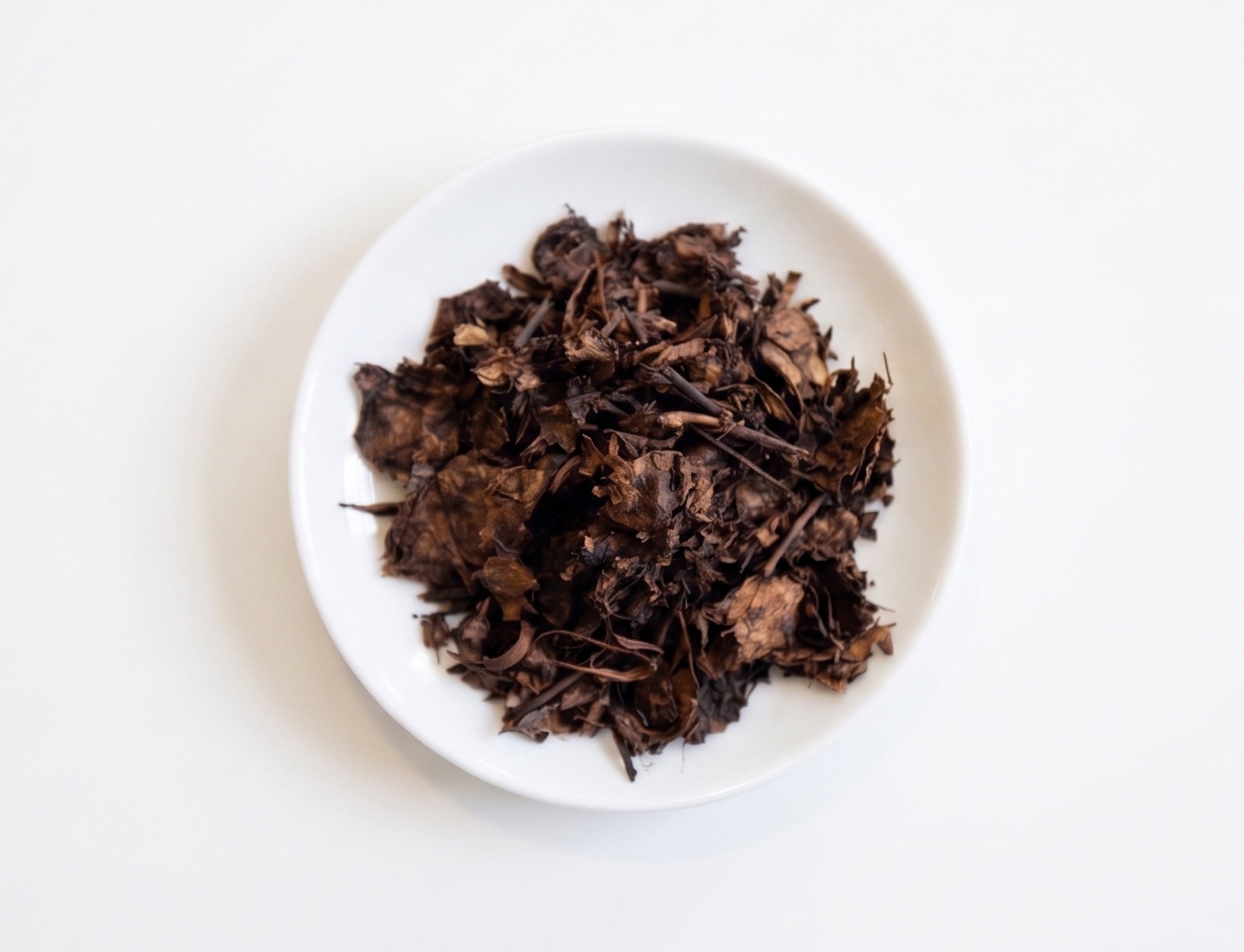
Batabata-chaバタバタ茶
Fermented Black Tea from Toyama
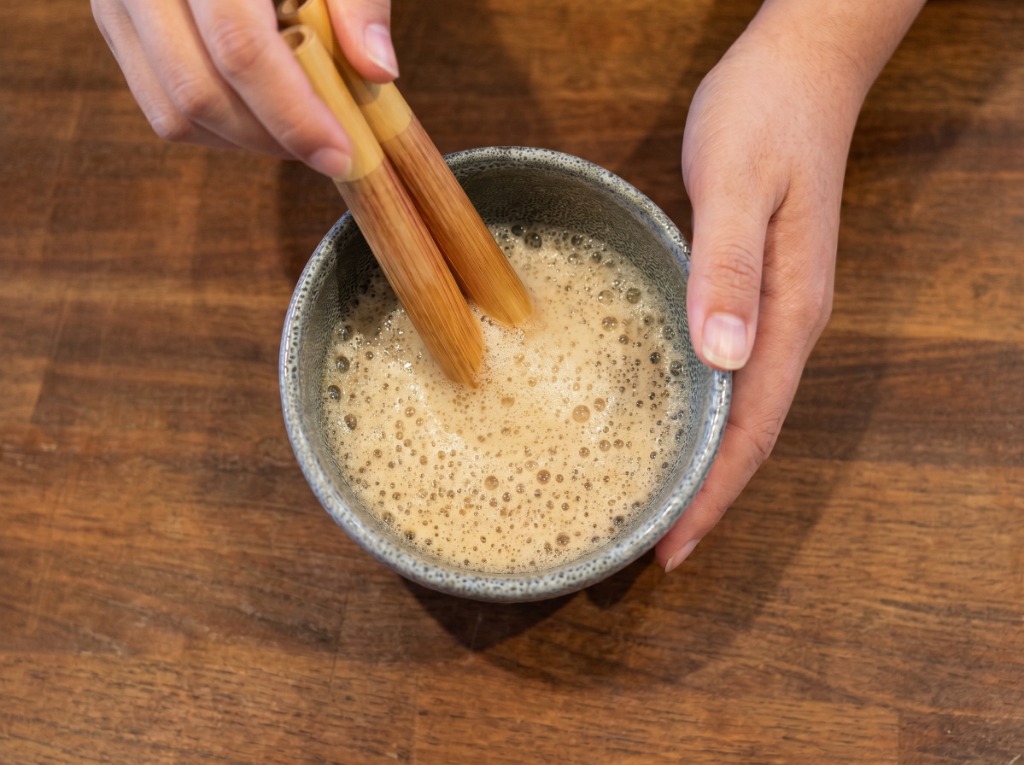
Unique to Asahi Town in Toyama Prefecture, Batabata-cha undergoes both aerobic and anaerobic fermentation, creating a rare Japanese fermented tea. Named after the "batabata" (flapping) sound made when whisking, it's traditionally served in large wooden bowls and whisked vigorously until foamy.
Steamed → Fermented in high humidity → Dried → Aged
Deep, earthy, mellow umami with slight sweetness; smooth, no astringency
Served at Buddhist ceremonies and special gatherings; UNESCO Intangible Cultural Heritage candidate
Brewing Batabata-cha
Traditional: Use large wooden bowl (chawan), add 2-3g tea + hot water, whisk vigorously until foamy
Modern: Steep 3-4g in 200ml boiling water for 3-5 minutes
The foam is considered essential to the authentic experience
Awa-bancha阿波晩茶
Lactic Acid Fermented Tea from Tokushima
From Tokushim's mountain villages, Awa-bancha undergoes unique lactic acid fermentation similar to pickling. Tea leaves are boiled, pounded into barrels, and naturally fermented for weeks. The result is a refreshing, slightly sour tea with probiotic benefits—like drinkable pickles!
Boiled → Pounded → Barrel fermentation (anaerobic) → Dried
Bright, refreshing sourness; clean, citrus-like acidity; mild and smooth
Summer refreshment, after meals, cold brewing, those who enjoy sour flavors
Brewing Awa-bancha
Hot: 3-4g per 200ml, boiling water, 30-60 seconds
Cold: Excellent cold-brewed—4-5g in 500ml cold water, refrigerate 3-6 hours
The sour flavor is more pronounced when hot, mellower when cold
Goishi-cha碁石茶
Two-Stage Fermented Tea from Kochi高知県産の二段発酵茶
Japan\'s rarest tea, produced only in Otoyo Town, Kochi. Goishi-cha undergoes two-stage fermentation—first aerobic, then anaerobic—creating a deeply complex, probiotic-rich tea. Named for its cube-cut shape resembling go stones, only 2-3 producers remain making this labor-intensive tea.世界で最も希少な茶葉の一つで、高知県大豊町でのみ生産されています。碁石茶は、好気発酵と嫌気発酵の二段階発酵を経て、奥深い複雑な味わいと豊富なプロバイオティクスを含むお茶に仕上がります。碁石に似た立方体の形状からその名が付けられ、現在ではわずか数軒の生産者しかこの手間のかかるお茶を製造していません。
Steamed → Aerobic fermentation → Pounded → Anaerobic fermentation → Dried → Cut into cubes蒸す → 好気性発酵 → 叩く → 嫌気性発酵 → 乾燥させる → 立方体に切る
Complex, slightly sour, earthy depth, gentle sweetness; extremely smooth複雑で、やや酸味があり、土のような深みがあり、優しい甘みがある。非常に滑らか。
Critically endangered, limited production, considered Japan\'s most precious heritage tea絶滅の危機に瀕しており、生産量も限られているが、日本で最も貴重な伝統茶とされている。
Brewing Goishi-cha碁石茶を淹れる
Amount:量: 1-2 cubes per 200ml water水200mlあたりキューブ1〜2個
Method:方法: Boiling water, steep 2-3 minutes沸騰したお湯で2〜3分蒸らす。
Note:注: Can be re-steeped multiple times; flavor deepens with subsequent infusions複数回再抽出可能。抽出を重ねるごとに風味が深まります。
The probiotic content makes this tea particularly valued for digestive healthこのお茶はプロバイオティクスを豊富に含んでいるため、消化器系の健康に特に重宝されています。
Bukubuku-chaブクブク茶
Okinawan Frothy Tea
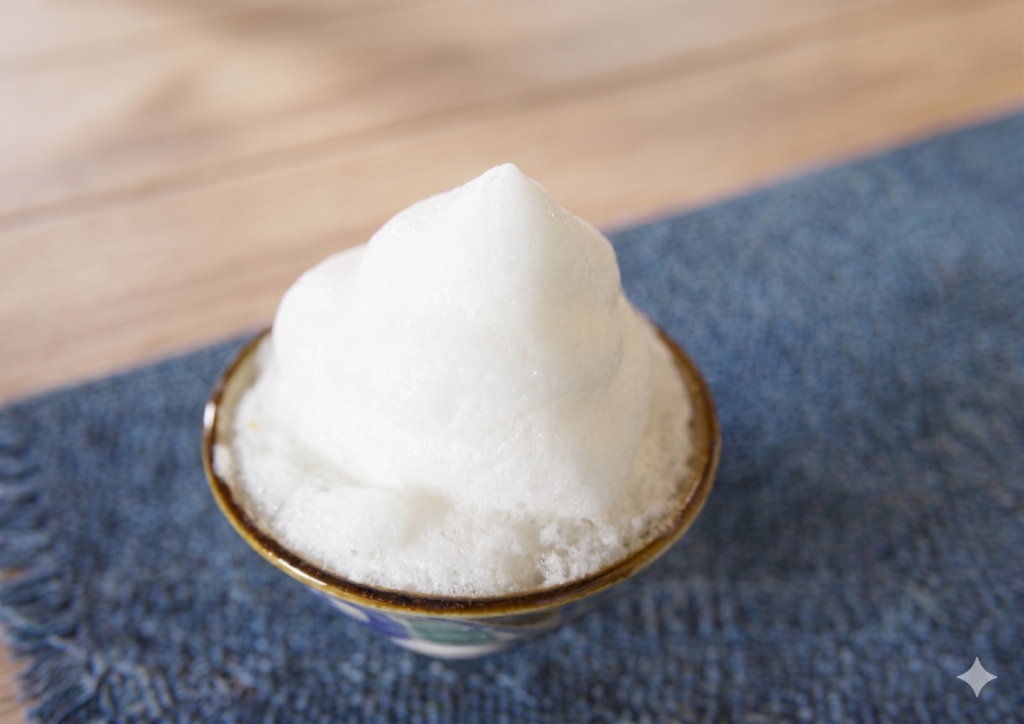
A unique Okinawan tea tradition where roasted rice tea and jasmine tea are whipped with peanuts into an elaborate cloud-like foam. The luxurious, stable foam can reach 5-8cm tall and is served in small bowls. Once reserved for Ryukyu royalty, Bukubuku-cha is now experiencing revival as an intangible cultural asset.
Jasmine tea + roasted rice water + roasted peanuts → vigorous whisking creates stable foam
Light jasmine aroma, subtle nutty sweetness, airy texture from foam
Historically served to Ryukyu Kingdom royalty; requires specialized wooden whisk (chasen) and skill
Preparing Bukubuku-cha
Traditional: Requires special equipment and technique; foam must be stable and voluminous
Base: Jasmine tea + roasted rice water (or sanpin-cha)
Secret: Roasted peanuts or saponin-rich ingredients create stable foam
Botebote-chaボテボテ茶
Shimane's Whipped Tea with Offerings
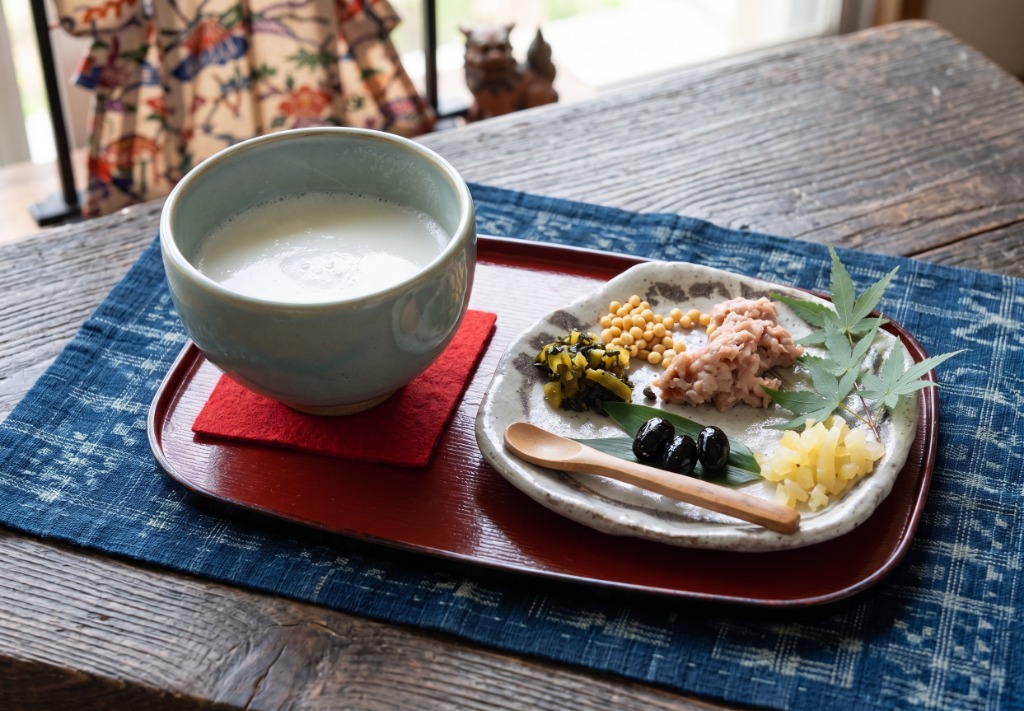
From Matsue City in Shimane Prefecture, Botebote-cha is a unique whipped tea served in large lacquered bowls topped with colorful seasonal offerings (boiled beans, pickles, rice cakes, flowers). The name comes from the "botebote" sound made while whisking. This tea was traditionally enjoyed during festivals and gatherings.
Bancha tea + hot water → whisked with bamboo whisk until foamy → topped with seasonal offerings
Mild bancha base, enhanced by savory and sweet toppings creating complex flavor layers
Boiled beans, pickled vegetables, rice cakes, dried fish, edible flowers (varies by season)
Serving Botebote-cha
Bowl: Traditionally served in large lacquered bowls called "tenmoku-wan"
Whisking: Use special bamboo whisk (chasen) to create light foam
Offerings: Colorful toppings arranged artfully on foam surface
More than tea—it's an edible work of art and complete light meal
Bote-chaボテ茶
Simplified Shimane Tea Service
A variation and simplified form of Botebote-cha from the same Shimane region. Bote-cha maintains the whisking tradition but with fewer elaborate toppings, making it more accessible for daily enjoyment. The tea still celebrates the communal gathering spirit while being less ceremonial than Botebote-cha.
Bancha tea whisked to create foam, served with simple toppings or plain
Clean bancha flavor, light and refreshing, with optional simple garnishes
Less elaborate presentation, fewer toppings, more casual daily drinking variant
Enjoying Bote-cha
Preparation: Simple bancha whisked until lightly foamy
Serving: Can use regular tea bowls, less formal than Botebote-cha
Occasion: Everyday drinking, casual gatherings, less ceremonial
An approachable way to experience Shimane's whisking tea culture
Ishizuchi Kuro-cha石鎚黒茶
Ehime's Two-Stage Fermented Tea
From the slopes of Mt. Ishizuchi in Ehime Prefecture, this critically endangered fermented tea undergoes a unique two-stage fermentation process similar to Goishi-cha. Only a handful of producers remain, making Ishizuchi Kuro-cha one of Japan's rarest teas. The fermentation creates deep, earthy umami with gentle sourness.
Steamed → Aerobic fermentation in koji room → Anaerobic fermentation in barrels → Dried
Earthy depth, gentle acidity, mellow umami, smooth and warming
Critically endangered; fewer than 5 producers remain in Kumakogen Town
Brewing Ishizuchi Kuro-cha
Amount: 3-4g per 200ml water
Temperature: Boiling water (100°C)
Time: 2-3 minutes
Similar to Goishi-cha, benefits from longer steeping; very smooth
Yamato-cha大和茶
Historic Tea from Nara奈良の歴史あるお茶
Cultivated in the Yamato Kogen region of Nara Prefecture (Nara City, Yamazoe Village, etc.), this is one of Japan\'s oldest premium teas with a history of over 1,200 years. The region\'s temples and shrines continue to maintain ancient tea traditions.奈良県の大和高原地域(奈良市、山添村など)で栽培される、1200年以上の歴史を持つ日本最古級の銘茶です。近代的な製法を取り入れつつも、日本茶文化発祥の地として計り知れない文化的意義を持っています。この地域の寺院や神社は、何世紀にもわたる茶の伝統を守り続けています。
Dates to Nara period; Buddhist monks first cultivated tea here; birthplace of Japanese tea culture奈良時代に遡る。仏教僧がここで初めて茶を栽培した。日本茶文化の発祥地。
Clean, refined sencha character; gentle umami; elegant sweetness清らかで洗練された煎茶の風味。穏やかな旨味。上品な甘み。
Yamato Kogen, Tsukigase, Fukusumi—mountain tea regions with cool climates大和高原・月ヶ瀬・福住(冷涼な気候の山茶どころ)
Cultural Heritage文化遺産としての価値
History:歴史: Over 1,200 years of continuous tea production1200年以上にわたって続く茶の生産
Temples:寺院: Many ancient temples maintain tea gardens and traditions多くの古刹が茶園と伝統を守り続けている
Value:価値: Cultural and historical significance as birthplace of Japanese tea日本茶発祥の地としての文化的・歴史的意義
Drinking Yamato-cha connects you to Japan\'s tea origins大和茶を飲むことで、日本の茶の起源と繋がることができます。
Yama-cha山茶
Wild Indigenous Tea Varieties
Yama-cha refers to wild or semi-wild indigenous tea varieties that grow naturally in Japan's mountains, predating modern cultivars. These rare, unimproved native tea plants offer complex, unique flavors reflecting centuries of natural adaptation to local environments. Each region's yamacha expresses distinct terroir and genetic diversity being lost to commercial cultivation.
Genetic diversity; complex flavor; natural adaptation; no artificial breeding
Varies by region; often more complex, wilder, earthier than cultivated teas; unique astringency
Important for genetic diversity; threatened by modern agriculture; preservation efforts ongoing
Wild Tea Heritage
Origin: Natural or semi-wild tea plants in mountain regions
Varieties: Each location has unique genetic profiles
Significance: Preserves tea's genetic diversity and evolutionary history
Tasting yamacha is experiencing tea's natural form before human cultivation
Origins Across Japan
Each heritage tea originated and remains tied to specific regions, shaped by local geography, climate, and culture.
Click on the map markers to explore each tea's origin
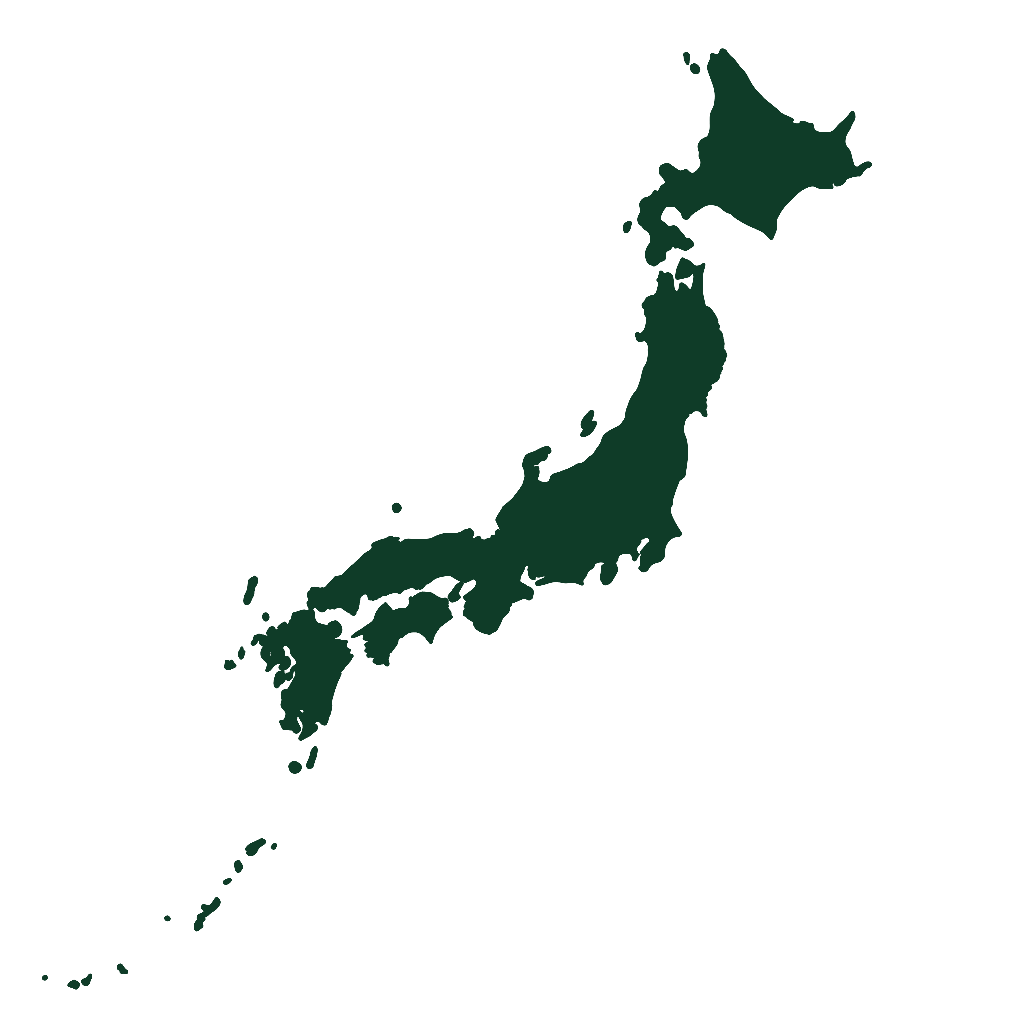
Click any marker to jump to that tea's detailed description
Health Benefits of Heritage Teas伝統茶の健康効果
Fermented heritage teas offer unique health benefits from their production processes, particularly probiotic content and easily digestible compounds.発酵茶などの伝統茶は、その独自の製法により、プロバイオティクスや消化吸収の良い成分をはじめとする特有の健康効果をもたらします。
Probiotic Benefitsプロバイオティクス効果
FERMENTED TEAS発酵茶
Naturally fermented heritage teas (Batabata-cha, Awa-bancha, Goishi-cha) contain beneficial bacteria that support gut health, similar to fermented foods like miso and natto.自然発酵させた伝統茶(バタバタ茶、阿波晩茶、碁石茶など)には、味噌や納豆などの発酵食品と同様に腸内環境を整える善玉菌が含まれています。
- • Supports digestive health• 消化器系の健康をサポート
- • Promotes gut microbiome• 腸内フローラを整える
- • Aids nutrient absorption• 栄養素の吸収を助ける
Gentle on Stomach胃腸に優しい
LOW CAFFEINE & TANNINS低カフェイン・低タンニン
Fermentation reduces caffeine and harsh tannins, making heritage teas exceptionally gentle and suitable for those with sensitive stomachs or seeking evening beverages.発酵によってカフェインや渋み成分であるタンニンが減少するため、非常に胃腸に優しく、就寝前の一杯や胃が敏感な方にも最適です。
- • Low caffeine content• 低カフェイン
- • Easy on digestion• 消化に良い
- • Suitable for all ages• すべての年代の方におすすめ
Rich in Polyphenols豊富なポリフェノール
ANTIOXIDANT COMPOUNDS抗酸化成分
Despite processing, heritage teas retain valuable polyphenols and develop unique compounds through fermentation that support overall health and wellness.加工工程を経ても、貴重なポリフェノールが保持され、発酵によって生み出される独自の成分が日々の健康維持をサポートします。
- • Antioxidant properties• 抗酸化作用
- • Anti-inflammatory effects
- • Supports immune function• 免疫力の維持
Relaxationリラックス効果
CALMING EFFECTS安らぎをもたらす成分
The gentle, mellow nature of heritage teas promotes relaxation and mindfulness. Traditional preparation rituals enhance the meditative tea experience.伝統茶の優しくまろやかな味わいは、心身のリラックスとマインドフルネスを促します。古くから伝わる茶を淹れる作法は、瞑想的なお茶の時間をさらに深めます。
- • Promotes calm• 心の平穏を促す
- • Reduces stress
- • Supports mindfulness• マインドフルネスのサポート
Alkalizing Propertiesアルカリ性
PH BALANCEpHバランス
Fermented teas tend to be more alkaline than standard teas, which may help balance body pH and support overall metabolic health.発酵茶は一般的なお茶に比べてアルカリ性に傾きやすく、体内のpHバランスを整え、基礎代謝の健康をサポートする可能性があります。
- • Helps balance pH• pHバランスを整える
- • Supports metabolism• 代謝のサポート
- • Gentle detoxification• 穏やかなデトックス
Hydration水分補給
DAILY BEVERAGE毎日の飲み物として
With minimal caffeine and smooth flavor, heritage teas are excellent for all-day hydration and can be enjoyed hot or cold throughout the seasons.カフェインが少なく、まろやかな味わいの伝統茶は、一日を通した水分補給に最適で、季節を問わずホットでもアイスでもお楽しみいただけます。
- • All-day drinking• 一日中いつでも飲める
- • Hot or iced• ホットでもアイスでも
- • Family-friendly• 家族全員で楽しめる
Cultural & Historical Significance
Heritage teas represent more than beverages—they are living links to Japan's agricultural past, community traditions, and regional identity. Many are designated as Important Cultural Properties or candidates for UNESCO Intangible Cultural Heritage status.
Preservation Challenges
- • Aging Producers: Many heritage tea makers are elderly with few successors
- • Labor Intensive: Hand-processing requires significant time and skill
- • Small Scale: Production volumes are tiny compared to commercial teas
- • Market Awareness: Limited recognition even within Japan
Revitalization Efforts
- • Artisan Training: Programs to pass knowledge to younger generations
- • Tourism Integration: Tea village experiences and cultural tours
- • Academic Research: Documenting production methods and health benefits
- • Global Interest: International appreciation raising awareness and demand
Cultural Note: When you enjoy heritage tea, you're not just drinking—you're participating in the preservation of centuries-old traditions. Your support helps these rare teas survive for future generations.
Experience Japan's Rarest Teas希少な伝統茶の世界へ
Experience rare heritage teas rooted in centuries of regional Japanese culture.日本の伝統と地域文化が息づく、希少な伝統茶をご堪能ください。
Inquireお問い合わせB2B & Customization
Tailored for Professionalsプロフェッショナルのための用途別カスタマイズ
We offer specialized grades and bespoke consultation for luxury hospitality, high-end retail, and elite wellness integration.用途やコンセプトに合わせて最適なグレードをご提案。五つ星ホテルや高級レストラン向けに、特別な体験を設計します。
Available Grades用途別グレードのご用意
Authentic Traditional伝統製法・本物
Produced exactly as it was centuries ago. Extremely limited volume.数百年前の製法をそのまま受け継ぐ、年間生産量が極めて少ない文化遺産クラスのお茶。
Modern Interpretation現代向けブレンド
The traditional profile softened and adapted for contemporary luxury palates.伝統的なクセを少し和らげ、現代のフュージョン料理などにも合わせやすくしたプロファイル。
Luxury Occasions導入・提供シーンのイメージ
Cultural Experience Menusハイエンド旅館の文化体験
Offer guests not just a beverage, but a deeply historical Japanese cultural experience.単なる飲料ではなく、歴史の深い日本文化体験としてゲストに提供する。
Story-Driven Tastingストーリーを味わうコース料理
Provide chefs and sommeliers with an unprecedented narrative to anchor a unique dish.シェフやソムリエに、ユニークな料理のアンカーとなる前例のない物語を提供する。
Mixology Base革新的なカクテルのベース材
Completely unique flavor profiles (fermented, whisked, smoky) that inspire world-class bartenders.世界クラスのバーテンダーを刺激する、完全にユニークな風味(発酵、泡立て、スモーキー)。