Terroir Beyond Wine: How Soil, Altitude, and Fog Shape the Character of Japanese Teaワインを超えるテロワール:土壌、標高、霧が日本茶の個性をどう形作るか
2026.04.29
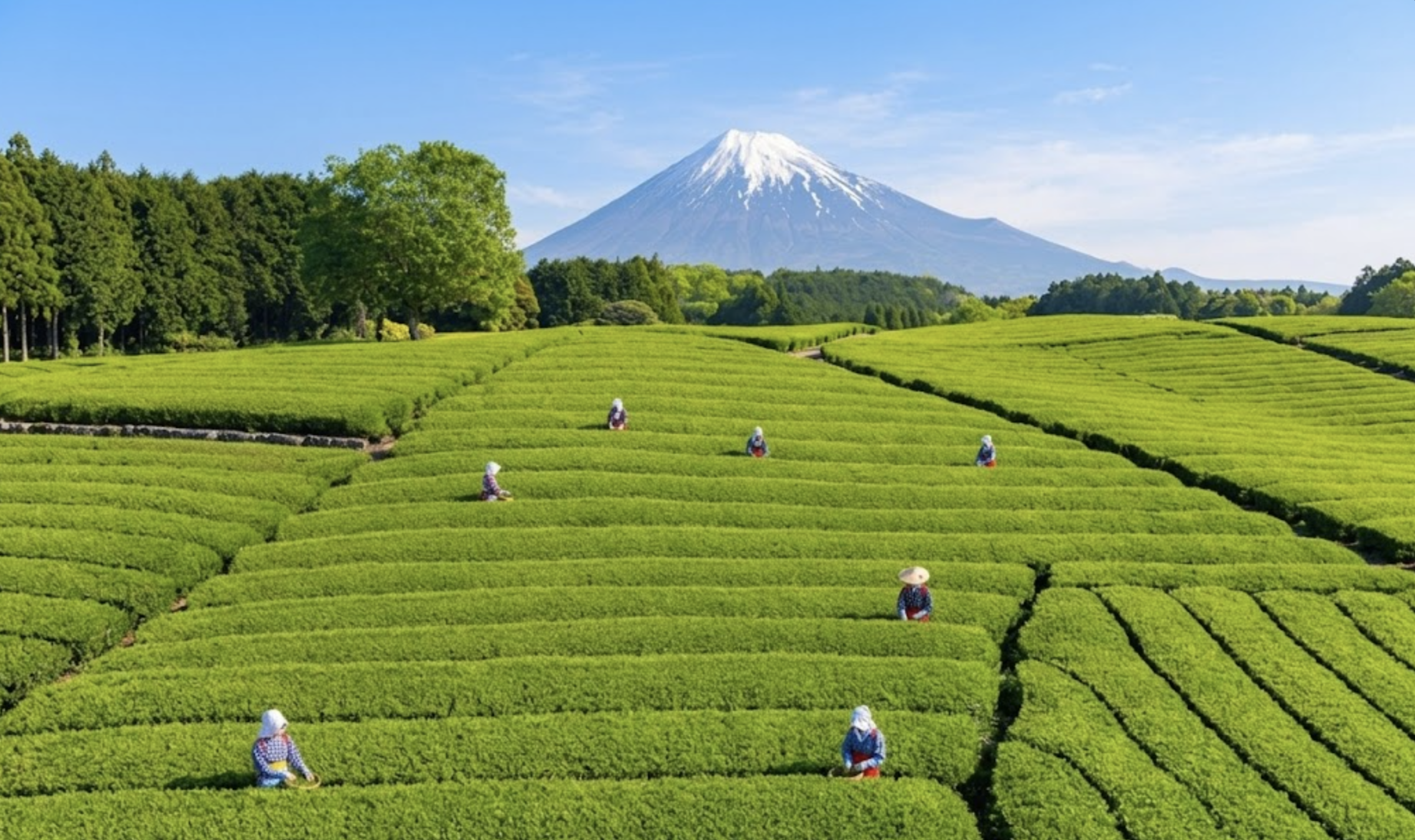
The concept of terroir — the idea that geography leaves a fingerprint on flavour — is well established in wine, where consumers readily pay premiums for a Burgundy over a Bordeaux, or a Mosel over a Rheingau, based on the understanding that place matters intrinsically, not just reputationally. What is less well understood, even among sophisticated food buyers, is that Japanese tea expresses terroir as precisely as any wine, and that the differences between Japan's major growing regions are not subtle variations on a theme but genuinely distinct flavour universes.
Uji, in southern Kyoto Prefecture, is the most historically significant of Japan's tea regions and the standard against which all others are measured. Its combination of river valley mist — which naturally diffuses sunlight and mimics the effect of artificial shading — nutrient-rich alluvial soil, and moderate mountain climate produces teas of exceptional amino acid concentration and a sweetness that is described in Japanese as "koku": depth, resonance, the sense of flavour continuing to unfold after the liquid has left the palate. Uji gyokuro, in particular, is considered by many connoisseurs to represent the apex of what the tea plant can produce anywhere on earth.
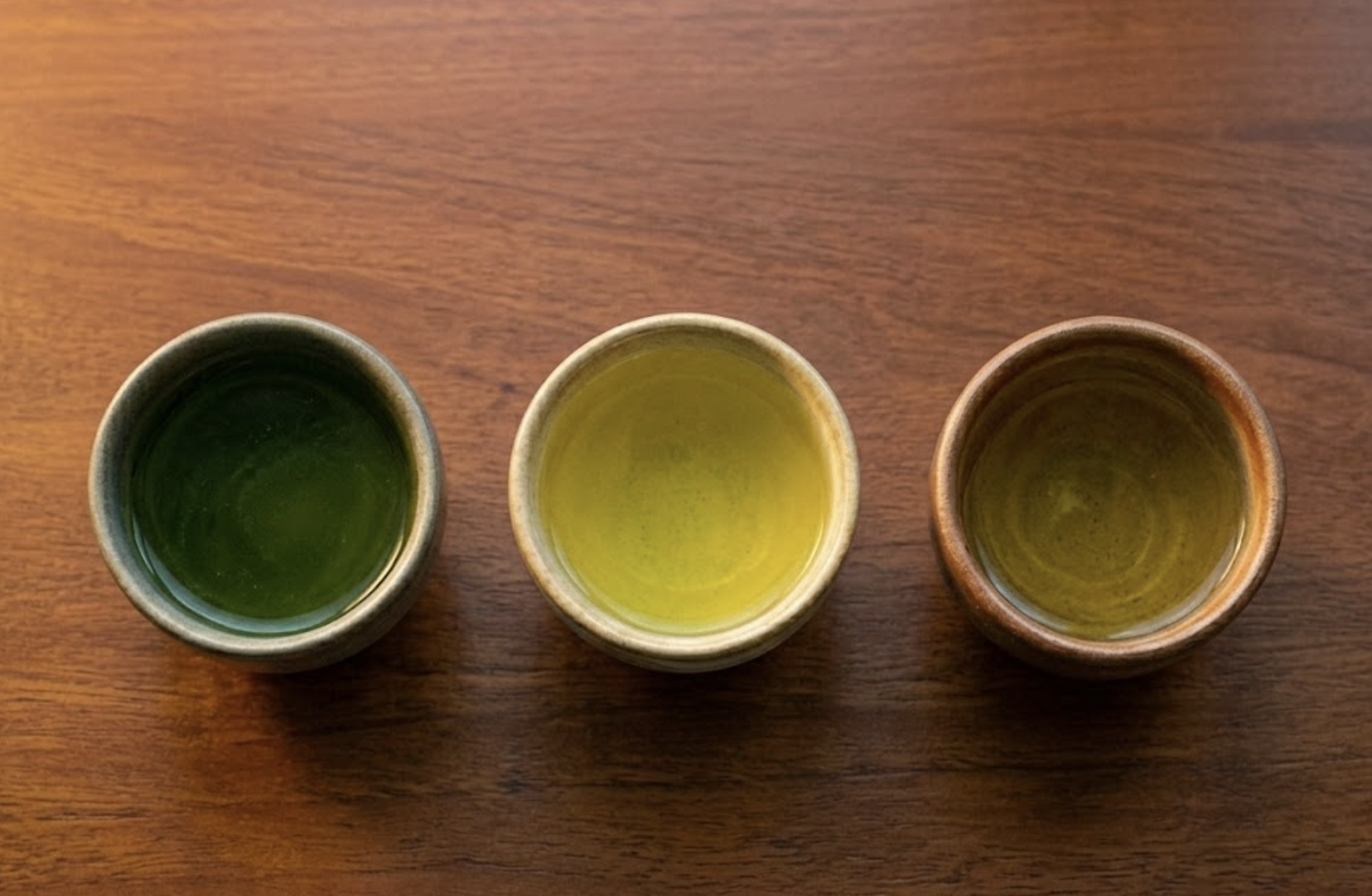
Shizuoka Prefecture, which produces approximately 40 percent of Japan's total tea volume, tells a completely different story. Its teas — grown across a diverse range of microclimates, from coastal lowlands to high mountain terraces above 600 metres — tend toward brightness, freshness, and a clean grassy character that makes them excellent everyday teas and highly accessible entry points for international markets. The best Shizuoka high-mountain teas can rival anything from Uji in structural complexity, but their expression is lateral and bright where Uji's is vertical and deep.
Kagoshima, in the southern island of Kyushu, represents the newest major growing region and in many ways the most dynamic. Its warmer climate enables earlier harvests than the rest of Japan — sometimes a full two to three weeks ahead of Uji — and its teas carry a distinctive warmth and body that reflects the volcanic red clay soils of the region. Kagoshima has invested heavily in mechanised, efficient production, making it the source of much of Japan's bulk tea, but its premium single-garden productions are increasingly attracting international attention for their bold, fruit-forward character.
For the specialty importer, understanding terroir is not just an intellectual exercise — it is the foundation of commercial storytelling. The ability to explain to a restaurant buyer why the Uji gyokuro you are offering has a specific flavour profile that cannot be replicated by a Shizuoka alternative, or to help a specialty retailer understand why two teas from the same cultivar can taste so different depending on altitude — this is the knowledge that justifies premium pricing, builds long-term customer loyalty, and separates the specialist from the commodity trader.
テロワールの概念――地理が風味に指紋を残すという考え――はワインで確立されています。消費者はブルゴーニュとボルドー、あるいはモーゼルとラインガウの違いにプレミアムを支払う準備ができています。場所が評判だけでなく本質的に重要だという理解に基づいて。あまり理解されていないのは――洗練されたフードバイヤーの間でさえ――日本茶があらゆるワインと同じくらい精密にテロワールを表現するということ、そして日本の主要産地の違いが微妙なテーマの変奏ではなく、本当に異なる風味の宇宙であるということです。
京都府南部の宇治は、日本の茶産地の中で最も歴史的に重要であり、他のすべてが比較される基準です。川の谷の霧――自然に太陽光を拡散させ、人工遮光の効果を模倣する――栄養豊富な沖積土壌、穏やかな山岳気候の組み合わせが、例外的なアミノ酸濃度を持つ茶と、日本語で「コク」と表現される甘みを生み出します。深み、響き、液体が口蓋を離れた後も展開し続ける風味の感覚。宇治玉露は特に、地球上どこでも茶の木が生み出せるものの頂点を代表すると多くの愛好家に考えられています。
日本の茶総生産量の約40%を生産する静岡県は、まったく異なるストーリーを語ります。沿岸の低地から海抜600メートル以上の高山棚田まで、多様なマイクロクライメートにわたって栽培されるその茶は――明るさ・新鮮さ・クリーンな青草の個性へと向かう傾向があり、優れた日常茶と国際市場への非常にアクセスしやすい入口になっています。最高の静岡高山茶は構造的な複雑さで宇治のものに匹敵できますが、その表現は宇治が縦に深いのに対し、横に広がって明るいのです。
九州南部の鹿児島は最も新しい主要産地であり、多くの点で最もダイナミックです。温暖な気候が日本の他の地域より早い収穫を可能にします――宇治より丸々2〜3週間早いこともあります――そしてその茶は、この地域の火山性赤粘土土壌を反映した独特の温かみと力強さを持ちます。鹿児島は機械化・効率化生産に多大な投資をしており、日本のバルク茶の多くの供給源ですが、そのプレミアムシングルガーデン生産は、大胆でフルーツフォワードなキャラクターで国際的な注目を集めています。
スペシャルティインポーターにとって、テロワールを理解することは単なる知的な演習ではなく――商業的なストーリーテリングの基盤です。レストランバイヤーに、なぜ提供している宇治玉露が静岡の代替品では再現できない特定の風味プロファイルを持つのかを説明する能力、あるいは同じ品種の2つの茶が標高によってなぜこれほど異なる味がするのかをスペシャルティ小売業者が理解するのを助ける能力――これがプレミアム価格設定を正当化し、長期的な顧客ロイヤルティを構築し、スペシャリストをコモディティトレーダーから区別する知識です。