The Invisible Ingredient: Why Water Chemistry Defines Every Cup of Japanese Tea見えない成分:なぜ水の化学が日本茶のすべてを決定するのか
2026.03.05
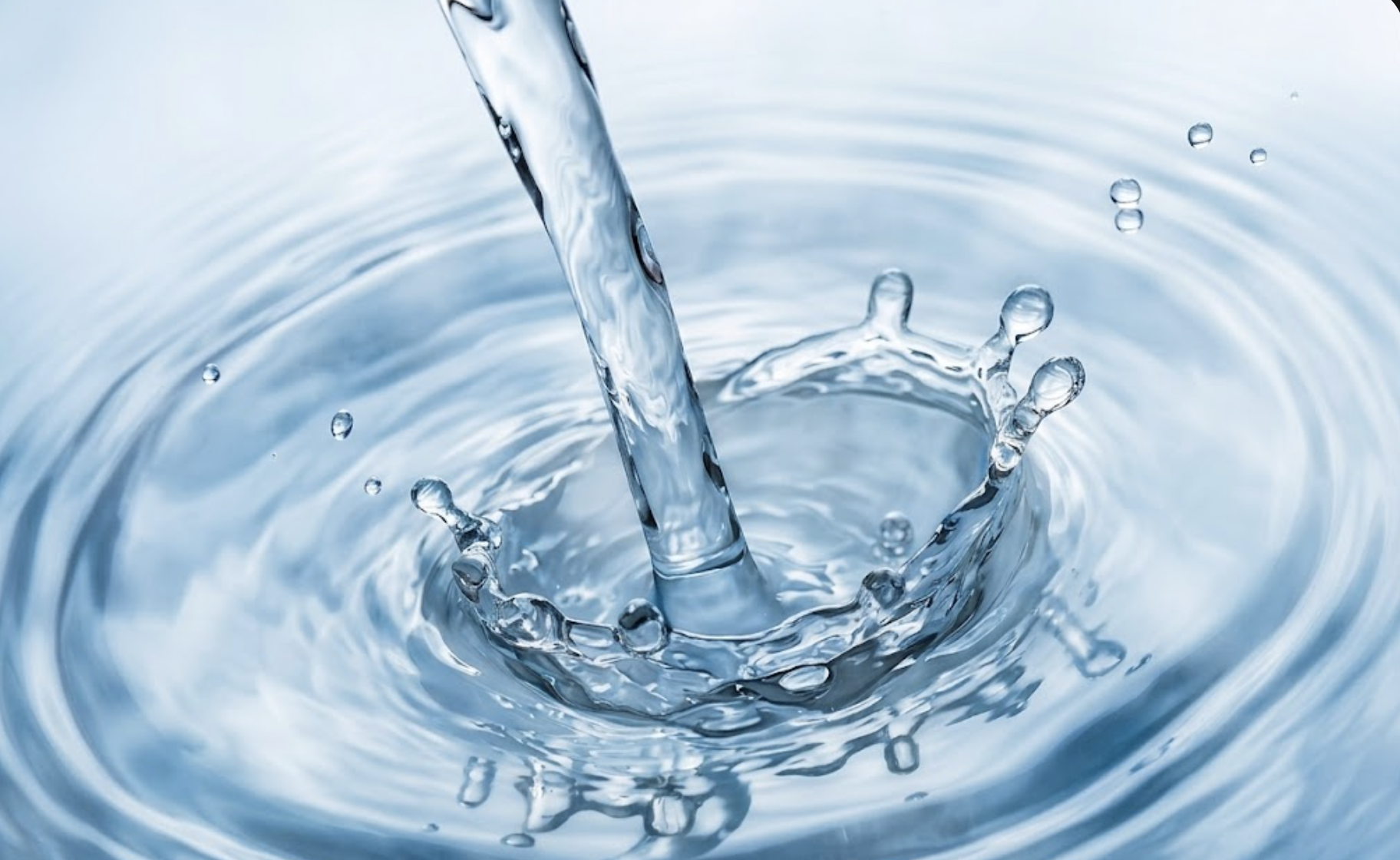
Tea is, by volume, approximately 99 percent water. This fact — so obvious it is almost never mentioned — is the single most important variable in the quality of any brewed cup, and yet it is the one factor that importers, retailers, and even experienced tea drinkers most consistently overlook. The finest gyokuro in the world, brewed in hard tap water at the wrong temperature, will produce a cup that misrepresents everything the farmer worked to create. Water is not the backdrop. Water is the instrument.
The chemistry of water affects tea in several distinct and measurable ways. Hardness — the concentration of dissolved calcium and magnesium ions — is the most significant. Hard water interferes with the extraction of tea's delicate aromatic compounds, suppresses the brightness of green tea's flavour, causes the brew to appear cloudy or dull, and can actively compete with the tea's own mineral character, producing a flatness that no level of quality in the leaf can overcome. Soft water, by contrast, allows the tea's dissolved solids to express themselves cleanly, producing brighter colour, more defined aroma, and a longer, more nuanced finish.
Japan's soft-water geology — the result of the country's volcanic rock formations, which allow rainwater to pass quickly before accumulating significant mineral content — is not incidental to the quality of Japanese tea. It is constitutive of it. The water of Uji, of Shizuoka, of the Yame highlands flows soft and clean, and Japanese tea has evolved over centuries to perform in precisely that water. When the same tea is exported and brewed in the hard water common to much of London, Dubai, or Munich, the result is categorically different — and, for buyers unfamiliar with the variable, often confusingly disappointing.
For the specialty tea retailer or hospitality professional importing Japanese tea, this has practical implications. Customer education about water quality is not a secondary concern — it is core to the product experience. Recommending filtered or low-mineral-content water (ideally below 50mg/L of total dissolved solids), providing guidance on temperature for each grade, and even supplying simple water hardness test strips with premium orders are all ways of ensuring that the quality of the product survives the journey from garden to cup — not just the journey from Japan to the destination country.
The tea master Rikyu, who defined the aesthetics of the Japanese tea ceremony in the sixteenth century, is said to have sent his students great distances to draw water from specific sources. He understood something that the modern supply chain has largely forgotten: that the water and the tea are not separate things. They become one another. Getting that right is not a luxury consideration for premium tea — it is the whole point.
お茶は体積比で約99%が水です。これほど明白な事実でありながら、ほとんど語られることのないこの真実こそ、淹れた一杯の品質を左右する最も重要な変数です。しかも、インポーターや小売業者、そして経験豊富なお茶愛好家でさえ、最も一貫して見落とす要素がこの「水」なのです。世界最高の玉露も、硬度の高い水道水で不適切な温度で淹れれば、農家が丹精込めて作り上げたものをまったく表現できない一杯になってしまいます。水は背景ではありません。水は楽器なのです。
水の化学的性質は、いくつかの明確で測定可能な方法でお茶に影響を与えます。最も重要なのは硬度――溶解したカルシウムイオンとマグネシウムイオンの濃度です。硬水は緑茶の繊細な芳香成分の抽出を妨げ、風味の明るさを抑制し、水色を濁らせ、茶自身のミネラル感と競合して、どれほど茶葉の品質が高くても克服できない平板さを生み出します。対して軟水は、茶の溶解成分がクリーンに表現されることを可能にし、より明るい水色・よりはっきりした香り・より長く繊細な余韻をもたらします。
日本の軟水地質――火山岩の地形が雨水を急速に通過させ、大きなミネラル含有量が蓄積する前に流れ去る結果――は、日本茶の品質にとって付随的なものではありません。それは構成要素です。宇治・静岡・八女高原の水は軟らかくクリーンに流れ、日本茶はまさにその水で最高のパフォーマンスを発揮するよう、何世紀もかけて進化してきました。同じ茶をロンドン・ドバイ・ミュンヘンに輸出し、それらの地域に一般的な硬水で淹れると、結果は根本的に異なります――そして、この変数を知らないバイヤーにとっては、しばしば混乱するほど失望的です。
日本茶を輸入するスペシャルティ小売業者やホスピタリティプロフェッショナルにとって、これは実践的な意味を持ちます。水質についての顧客教育は二次的な懸念ではなく、製品体験の核心です。フィルタリングされた水または低ミネラル含有量の水(理想的には総溶解固形分50mg/L以下)の推奨、各グレードの温度ガイダンスの提供、プレミアム注文に簡単な水硬度テストストリップを同梱すること――これらはすべて、製品の品質が茶園から一杯までの旅を生き延びることを確実にする方法です。単に日本から目的地までの物理的な旅だけでなく。
16世紀に茶道の美学を定義した茶人・千利休は、特定の水源から水を汲むために弟子たちを遠方に送ったと言われています。彼は、近代のサプライチェーンがほぼ忘れてしまったことを理解していました――水と茶は別々のものではない。それらはお互いになっていく。プレミアムティーにとってそれを正しく行うことは贅沢な考慮事項ではなく、それこそがすべての目的なのです。